Flu flares in CSRA with some schools closing as virus hits early
NORTH AUGUSTA, S.C. - Flu activity is rising across the CSRA, prompting at least two schools to send students home for several days and filling local clinics as Thanksgiving approaches.
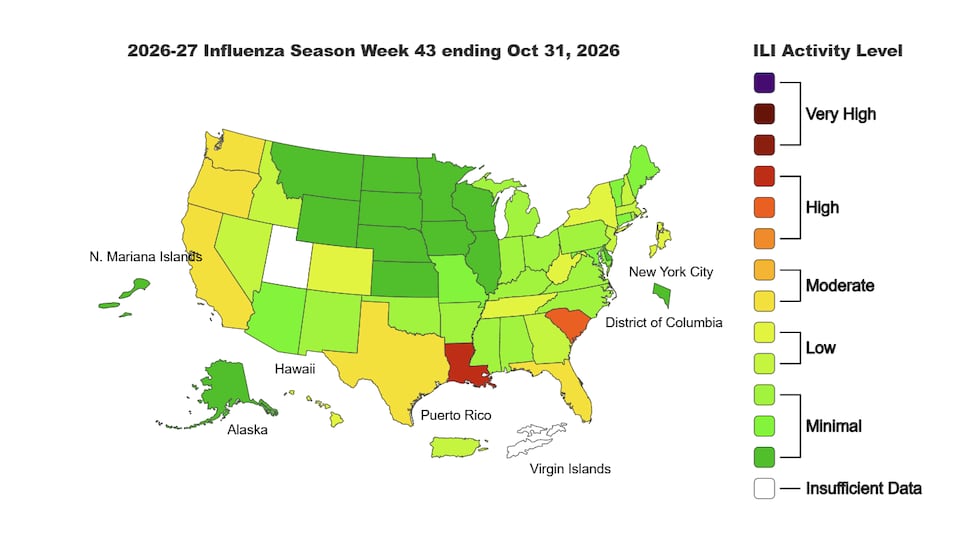
South Carolina reported widespread flu activity for the week of Oct. 25-31, the latest figures available in the state report. Georgia’s overall activity remained low, although state officials reported rising hospitalizations and deaths.
At Curtis Baptist School in downtown Augusta, parents received an email Monday describing a significant increase in illness, confirmed flu cases and more than a third of students absent.
“We are experiencing a significant increase in illness throughout our school community, including a growing number of confirmed influenza cases,” the letter said. “Today, more than one-third of our students are absent, along with several members of our faculty and staff.”
Georgia sees 3 new measles cases as state triples total from last year
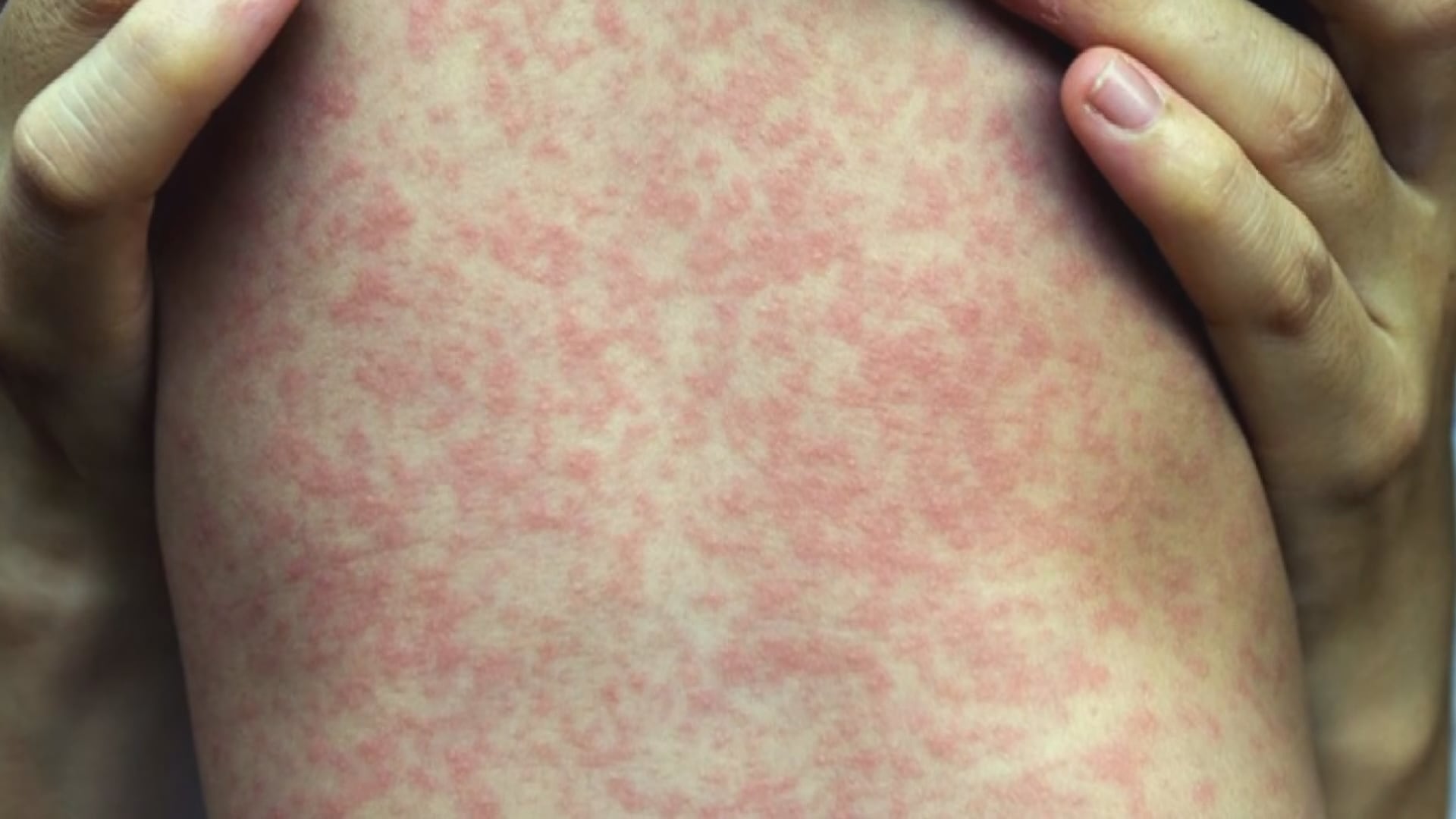
Georgia health officials have confirmed three new measles cases in Macon County, all linked to a previously reported infection.
The school decided to close Tuesday and Wednesday and reschedule its Veterans Day program. It expects to reopen Thursday if staffing and illness conditions allow.
The private Brentwood School in Sandersville also closed for at least two days in late October because of flu cases.
Across the state line from Curtis Baptist, the parking lot was full at Piedmont Prompt Care, about 1.3 miles from the school. Dr. Bo Sherwood said the clinic had seen a surge in patients over the previous four or five days and treated more than 45 patients the day before the interview.
“Flu is going around now,” Sherwood said.
He said it is difficult to predict whether an early rise in cases will lead to an earlier peak or a more severe season.
“It’s always hard to predict with the flu,” he said.
The two-state outbreak
GEORGIA
Although Georgia’s overall flu activity remained low, the state reported 103 influenza-related hospitalizations in metro areas and eight outbreaks for the week ending Oct. 31. Since early October, it had recorded 304 hospitalizations and 29 outbreaks.
The Georgia Department of Public Health also reported two influenza-associated deaths that week, bringing the season total to nine. Officials said the number could change as earlier deaths are reviewed and confirmed.
SOUTH CAROLINA
The South Carolina Department of Public Health reported 1,079 lab-confirmed flu cases for the week ending Oct. 31, bringing the season total to 2,279. Nearly all were influenza A, according to the state report.
Sixty hospitals reported 137 flu-associated hospitalizations that week. Since early October, the state reported 350 hospitalizations, with adults 65 and older accounting for more than half.
Flu-like illness accounted for 5.1% of patient visits to participating providers during the week, above the state baseline of 3.2%. Providers reporting to the state’s surveillance network were located in 20 counties across all public health regions.
The state reported no flu-associated deaths during the last week of October. Two deaths had been reported for the season, both among adults 65 and older.
S.C. flu stats: By the numbers
- Status: “Widespread” flu activity statewide, with overall ILI (flu‑like illness) activity rated high.
- Lab‑confirmed flu: 1,079 new lab‑confirmed cases reported for the week of Oct. 25–31; 2,279 lab‑confirmed cases so far this 2026–27 season.
- Virus type: About 99% of cases this season are influenza A; influenza B remains rare.
- Doctor visits: 5.1% of patient visits to sentinel providers were for influenza‑like illness, above the 3.2% state baseline.
- Hospitalizations: 137 new flu‑associated hospitalizations were reported that week; 350 so far this season, with the highest hospitalization rate in adults 65 and older.
- Deaths: No flu deaths reported during the last week of October; two influenza‑associated deaths this season, both among people 65 and older.
The importance of vaccination
Health officials in both states encourage people to get vaccinated before holiday gatherings and travel. The Centers for Disease Control and Prevention says it takes about two weeks after vaccination for protective antibodies to develop.
“The single most effective way to prevent the flu is the flu vaccine. Everyone over the age of six months should get a flu vaccine, with rare exceptions,” said Kathleen E. Toomey, commissioner of the Georgia Department of Public Health.
The CDC recommends annual flu vaccination for everyone 6 months and older, with rare exceptions. Vaccines for the 2026-27 season are designed to protect against three influenza viruses: two influenza A viruses and one influenza B virus.
South Carolina health departments offer low-cost flu vaccines for uninsured adults and free or low-cost shots for eligible children. For clinic information, call 855-472-3432. In Georgia, call the East Central Health District at 706-721-5800 for information about local vaccine options.
Antiviral medications can help treat the flu and work best when started as soon as possible, ideally within two days of symptoms. Treatment may still help some patients, especially those who are hospitalized or at higher risk of complications, when started later.
People at higher risk include young children, pregnant women, people with chronic health conditions and adults 65 and older. Anyone who becomes ill and is concerned about complications should contact a health care provider promptly.
Health officials also recommend washing hands frequently, covering coughs and sneezes, avoiding touching the face and staying home when sick.
Copyright 2026 WRDW/WAGT. All rights reserved.